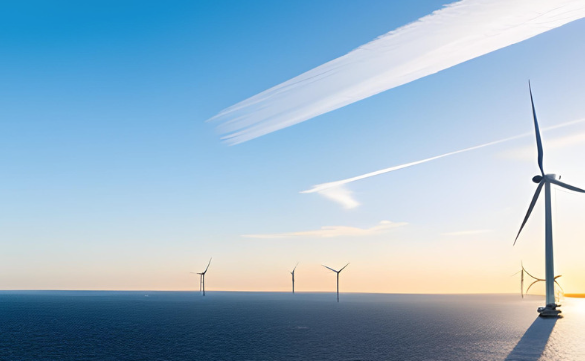
California has one of the longest coastlines (3rd longest per CRS and 5th longest per NOAA), making it an ideal state for offshore wind deployment on paper. The Golden State also has clean energy goals (e.g., Senate Bill 100, Assembly Bill 2514) and is home to the largest cleantech investment ecosystems. Not to mention that offshore wind can help California diversify its clean energy portfolio (which is dominated by solar PV since its landmark climate bill AB 32 was signed into law in 2006.) By embracing offshore wind energy, California can make substantial progress toward its renewable energy goals, create jobs, enhance energy security, and contribute to global efforts to combat climate change. These conditions make it a no-brainer for California to aggressively pursue offshore wind.
Or is it?
There exist concerns and issues such as those on wildlife habitats, grid integration, and permitting and regulatory that California need to address.
Environmental and Ecological Concerns
California’s coastal waters are ecologically diverse and home to various marine species. Offshore wind projects can potentially impact marine ecosystems, migratory routes of marine animals, and even local bird populations.
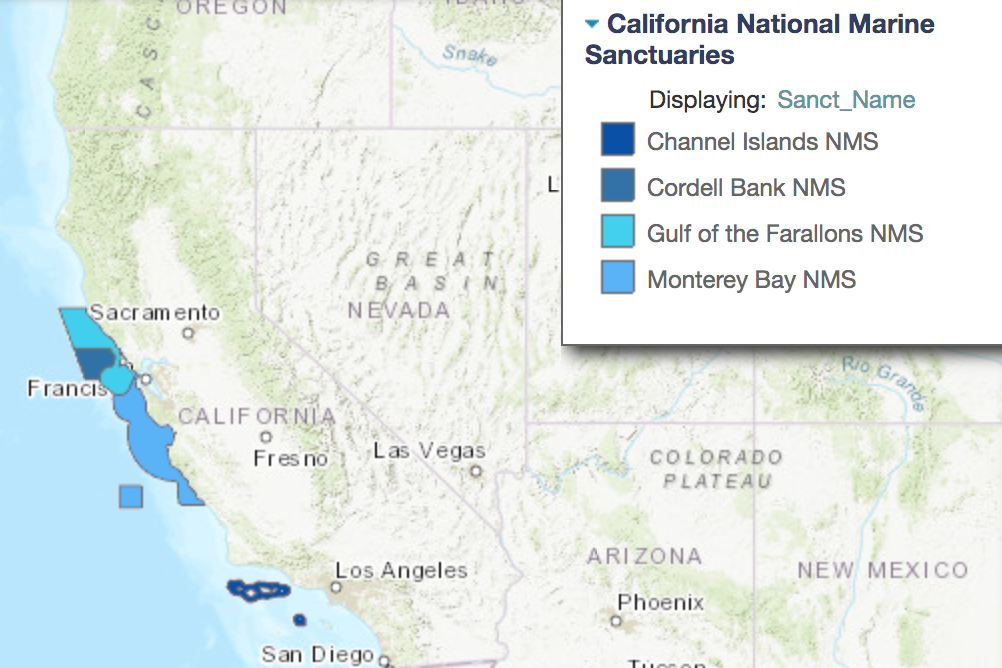
The following maps show California’s national marine sanctuaries and the biological habitat areas off California’s coastline. As you can see, the only area(s) that might not encroach the natural habitats would be the coasts off of rural Northern California, a part of Central Coast, and Southern California.
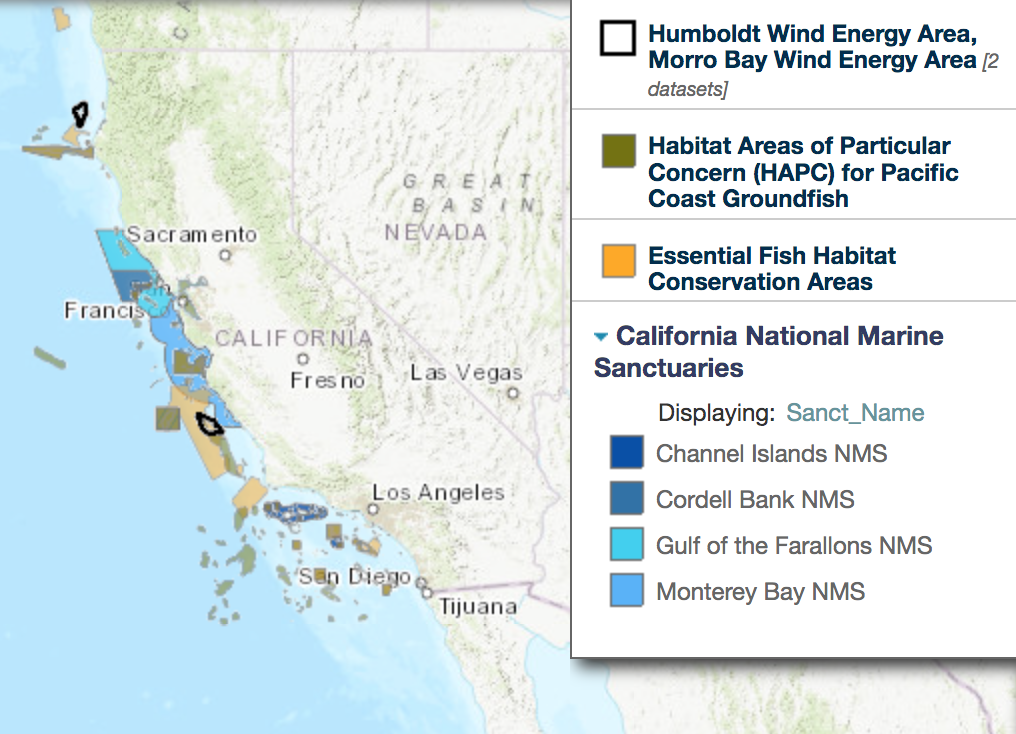
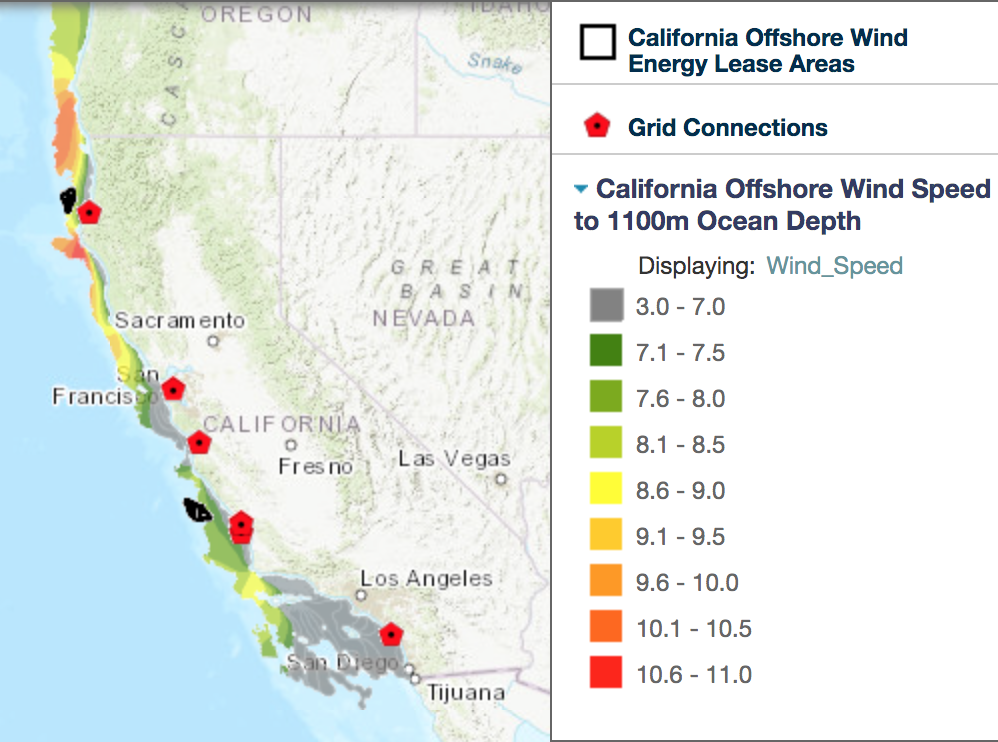
But looking at the offshore wind speed, it is immediately apparent that Southern California has low wind speed, which means that region is not really suitable for deploying offshore wind.
That leaves parts of Central Coast (off of San Luis Obispo County) and rural Northern California (particularly Humboldt County).
Grid Integration Concerns
Integrating offshore wind energy into California’s existing power grid poses technical challenges. The transmission infrastructure needs to be upgraded to transport the electricity generated offshore to where it’s needed onshore. Nationally, the grid is woefully outdated and there are not enough transmission lines to support the transition from a fossil fuel-based electric system to a decarbonized energy grid. About 70% of the grid is more than 25 years old, which can be vulnerable to increasingly intense storms.
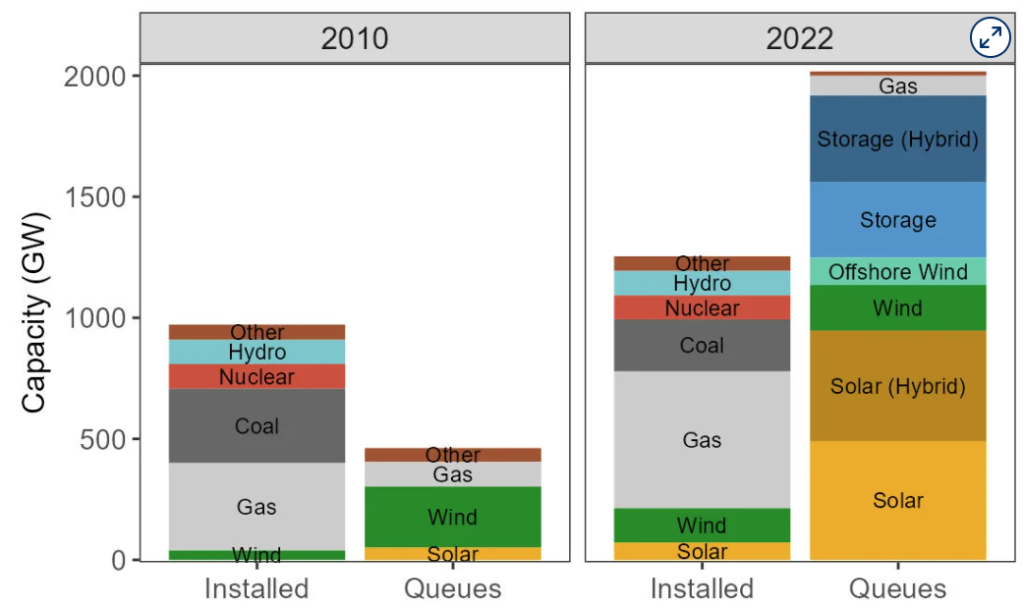
Per the LBNL study (2023), as of the end of 2022, the total capacity active in the queues is growing year-over-year, with >2,000 GW of generation and storage capacity. About half of that are from solar and solar (hybrid). About 150 GW of offshore wind is in active queue capacity.
Another hurdle is the need to balance the intermittent nature of wind energy with the grid’s stability. So far, besides some fundings from the recently climate landmark bills, not much has been done at both the federal and state levels to effectively solve these issues that are decades in the making.
Permitting and Regulatory Concerns
To connect a new source of power to the U.S. electric grid requires energy generators to go through an application process with a regional transmission authority or utility. The interconnection process starts with a request to connect to the grid, which officially enters the power generator in the interconnection queue. Next is a series of studies (e.g. feasibility, system impact and facilities studies) where the grid operator determines what equipment or upgrades will be necessary to get the new power generation on the grid and what it will cost.
Remember that there are not enough transmission lines and renewable energy power generators are waiting to be connected to the grid? To complicate the picture further, interconnection application process is often time consuming and requires upgrades to the grid, which are often so costly that power generators have to back out.
Indeed, of the almost 30,000 observations (year project entered queue range = 1995 to 2022) included in the LBNL study, nationwide, about half of the proposed projects are withdrawn, with another 35% currently in active queue or suspended. Just 13% of these projects are operational.
Of the 15 projects for offshore wind or offshore wind + battery (these entered queue between 2018 to 2021) in CAISO, 6 are in active queue and 9 have been withdrawn. This means none of these projects have yet become operational. (In the LBNL dataset, only one offshore wind project has come online nationwide. It entered queue in 2013 and became operational in 2020.)
Make no mistake, permitting bottleneck is a pervasive problem plaguing energy projects nationwide. But the problem seems more acute in California. Outside of CAISO, 3/4 of the projects in the dataset took fewer than 5 years from entering the queue to becoming operational. But just 38% of the projects in CAISO jurisdiction took fewer than 5 years to become operational. On the other hand, 1/5 of the projects in CAISO took at least 8 years to come online compared to just 4% of the projects in other regions.
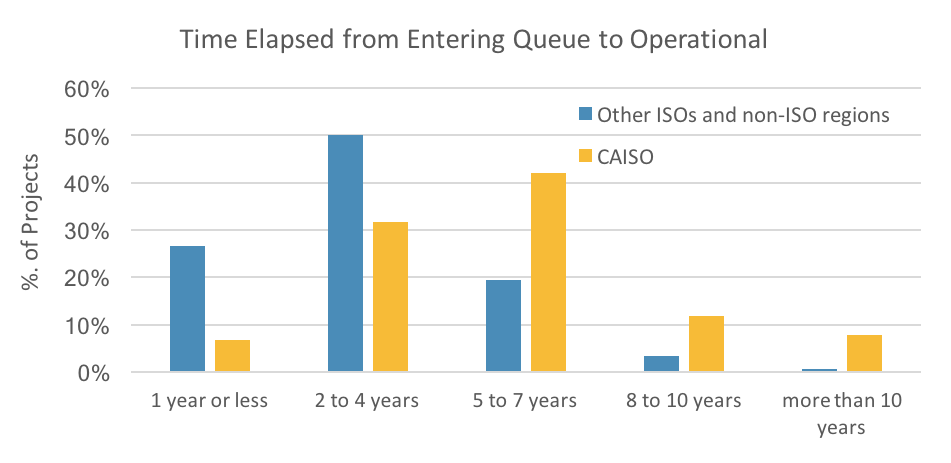
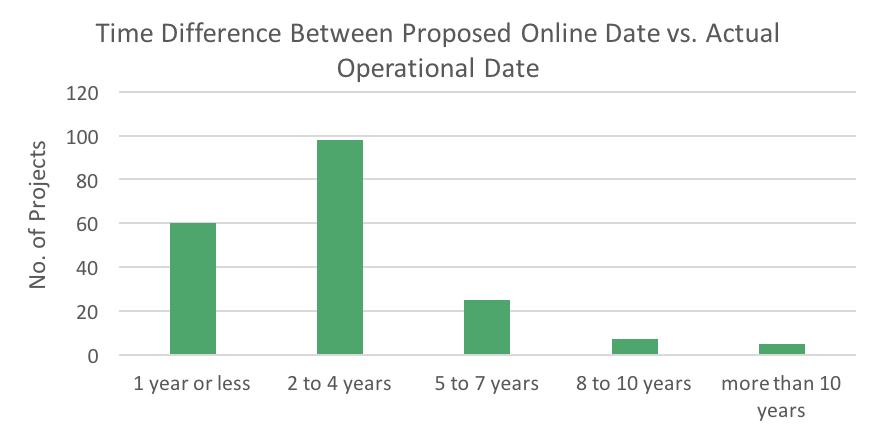
Needless to say, California’s long process means projects that do come online come at later dates than anticipated. These delays often translate to additional project costs. In fact, almost 1/5 of these projects faced a delay of 5 or more years.
California’s burdensome permitting and regulatory environment don’t just apply to energy projects. The state is also famously known for its long and drawn-out processes and CEQA litigations on housing development and infill projects. These issues often make an already expensive project even most cost prohibitive.
Stay tuned for part 2.