
Happy New Year! As we march toward 2024, the need for a cleaner economy remains as important as ever. A quarter into the 21st century, and a quarter away from the proverbial 2050 net-zero deadline, in the quest of energy transition, humans have achieved quite a lot, but they have also fumbled a lot.
Looking Back on Energy Transition: The Good and the Bad
In industrialized countries, greenhouse gas emissions have peaked and are slowly coming down thanks to renewable energy becoming more mainstream in the electric power sector. New scientific and technological breakthroughs have contributed to the increasing popularity of vehicles that run on alternative fuels and powertrains (e.g., hybrid, battery electric, natural gas). Both private and public sectors have continued to invest in nascent but promising clean energy innovations such as clean hydrogen, carbon capture and utilization, sustainable aviation and marine fuels, modular nuclear with advanced reactors, and energy storage solutions.
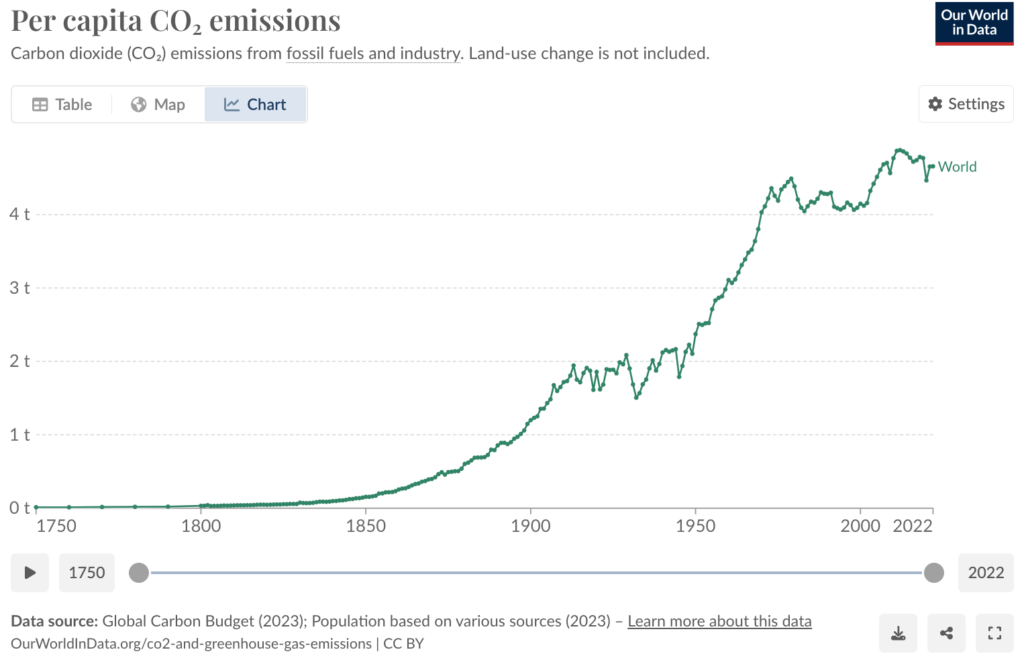
But at the same time, GHG emissions continue to rise globally. As underdeveloped countries’ standard of living rise, their energy consumptions will also rise. None of these countries will voluntarily reduce energy consumption (thus sacrificing economic development) to make a dent in GHG emissions, especially when large and developed nations like the United States are the biggest polluters. Some of the highlights of the last few climate change conferences include confusing signals, weak and non-binding agreements, and finger-pointing among representatives on who bears the responsibility of climate loss and damage, as well as who should fund climate resilience, mitigation, and adaptation.
Top Clean Energy and Climate Issues to Tackle in 2024
Given the track record, needless to say, a lot remains to be done. But given current progress, it isn’t possible, feasible, nor realistic to act on all fronts. However, some issues are often considered critical for laying the foundation of a clean and sustainable economy. Here, I propose a few top priorities to tackle, as their importance can vary based on regional contexts, immediate challenges, and the urgency of certain environmental threats:
Transition to Renewable Energy: Shifting away from fossil fuels is a key step to mitigate climate change and reduce dependence on non-renewable resources. Carbon dioxide removal and carbon capture technologies are still not ready for deployment, for now, the best way to reduce emissions is to shift toward carbon free and low carbon fuel sources.
Energy Efficiency: Improving energy efficiency is still a cost-effective way to reduce overall energy consumption and decrease environmental impact. Improving energy efficiency also has the added benefit of lowering energy costs and saving money.
Sustainable Transportation: Transforming transportation systems to be more sustainable is crucial for reducing emissions and promoting cleaner modes of travel. As developing countries continue to improve their economic well-beings, demand for private automobiles is expected to increase.
Circular Economy: Moving towards a circular economy helps minimize waste and encourages the responsible use and disposal of products. We simply send too much junk into the landfills and are failing spectacularly on the 3Rs.
Carbon Pricing: Implementing effective carbon pricing mechanisms provides economic incentives for businesses to reduce their carbon footprint. Despite the recent surge in carbon price ($190 per ton), we can expect it to go up.
Technological Innovation: Investing in clean technologies and innovations can drive systemic change across various industries. Technological innovation on cleantech and climate tech may also reduce the burden on climate mitigation and adaptation.
Environmental Regulation and Governance: Strong environmental governance ensures that industries operate responsibly and adhere to sustainability standards. We all know that the private marginal environmental cost and the social marginal environmental cost are completely misaligned. But no one is currently incentivized to align the two.
International Collaboration: Global cooperation is essential for addressing environmental challenges that transcend national borders, such as climate change. But will future climate change conferences be mired in further infighting, finger pointing, and political bickering?
Carbon pricing? That’s a wet dream. Most countries do not have one. And the few that do have it… it is an accidental one in that it is a fuel/ gas tax.